WATCH: Forensic psychologist testifies that Lindsay Clancy has bipolar disorder


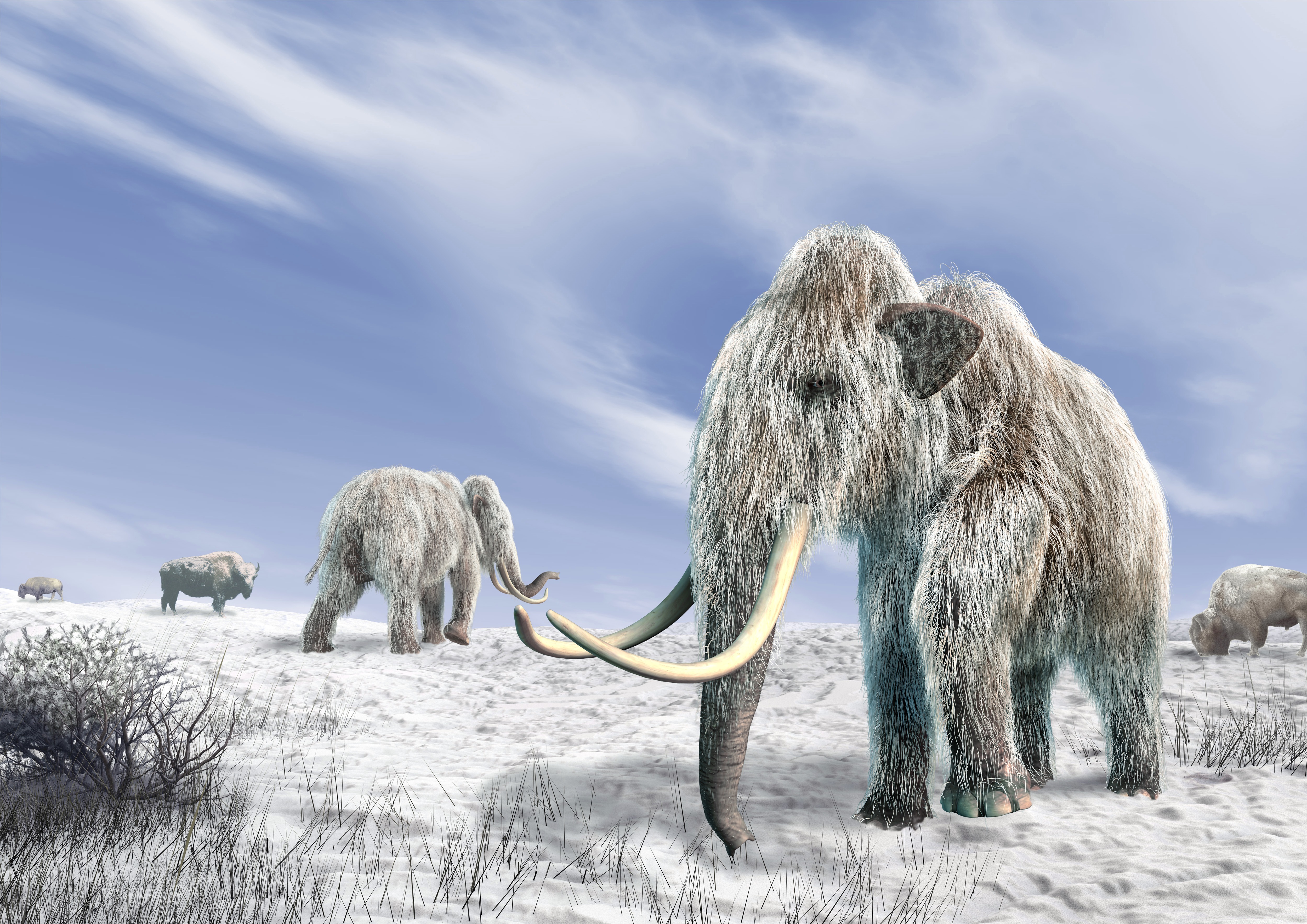
If you’ve been excitedly awaiting the return of the woolly mammoth, you’ll have to be patient a little longer. It was in 2021 that the newly established, Dallas-based company Colossal Biosciences announced plans to use modern gene-editing technology and DNA harvested from mammoth remains to manufacture a mammoth embryo, implant it in the womb of an elephant surrogate, and bring the great, gentle, six-ton beast—which vanished from the planet more than 4,000 years ago—back into the modern world. The target date for a pregnancy was 2027; the target date for the birth was 2028.
No more. In a recent conversation with TIME, Colossal CEO and co-founder Ben Lamm concedes that those goal posts have moved more than a little. “We are thinking it will be in the early 2030s,” he says. “We don’t have a hard date. Not 2036, but not 2030 either.”
In just the past year, Colossal has learned vastly more about both the mammoth and the elephant genomes than has ever been known before, not only improving the odds that the mammoth can be brought back to life, or de-extincted, but also unpacking basic genetic science that could one day have knock-on effects for humans—including potentially increasing resistance to cancer.
Colossal proved its de-extinction chops in the spring of 2025, when it announced that it had brought the extinct dire wolf back to life, editing the genome of the closely related gray wolf to replicate the features of its vanished cousin—including a white coat, larger size, more powerful shoulders, wider head, larger teeth and jaws, more-muscular legs, and characteristic vocalizations, especially howling and whining.
To work that genetic magic, Colossal scientists collected dire wolf DNA from an ear bone and a tooth unearthed in two ancient samples, sequenced the genome, and compared it to that of the gray wolf. They then harvested cells from a living gray wolf and made 20 edits on 14 genes using the CRISPR-Cas9 gene-editing tool, which produced the critical dire wolf characteristics. Finally, they extracted the nucleus of the edited cell, inserted it into a domestic dog ovum whose own nucleus had been removed, and implanted the resulting embryo into the womb of a domestic hound. Nine weeks later, the dire wolves were born.
To do something similar with the woolly mammoth, Colossal discovered that the work would be a heavier genetic lift than their research teams had originally expected. The initial estimate was that it would take edits to about 60 genes to turn an elephant nucleus into a mammoth nucleus that could then be used to create a mammoth embryo. Now that number is about 150—and rising.
Among the genes and regulatory switches that have been discovered are ones that shrink the mammoth ear to about one-tenth the size of an elephant’s ear. In the hot climates in which Asian and African elephants live, large, heavily vascularized ears serve as heat dumps, cooling the blood and the body as a whole. That would not do for the mammoth, which made its home during the Ice Age and needed to husband all the heat it could. Mammoth tails are shorter than those of elephants too— for the same heat-retention reason—and Colossal scientists have found the gene that expresses that as well.
The genetics of the mammoth’s characteristic heavy coat have also been unpacked. Nearly all hairy mammals—humans included—have oil-secreting glands known as sebaceous glands in the skin. The oil keeps individual hairs supple and prevents them from drying and breaking. Elephants, which have a very sparse covering of bristly hair across their bodies, were thought to be an exception to this rule. That made the job of engineering a mammoth from an elephant more difficult, since mammoths surely had sebaceous glands to sustain their extravagant coat. But Colossal researchers conducted dissection and close examination of samples of elephant skin and found that that earlier received wisdom was wrong—the skin does contain small, rudimentary sebaceous-like structures. The trick now is to isolate the genes that code for the glands and edit them to create the fully developed version the mammoth will need.
The researchers also analyzed the makeup of elephant hair and determined that 90% of every strand is composed of nine different proteins. They then tracked down which genes code for that protein production and govern hair developmental patterns, which typically include periods of growth, rest, and regrowth. Tests of these genes are underway, sometimes with the assistance of other animals.
In March 2025, Colossal revealed that it had created a small brood of 38 woolly mice, engineered with mammoth coding for shaggy hair written into their genome. The mice have thrived and bred, passing on their long, coarse hair to their pups. That was a good start, but mice aren’t mammoths, and to study how effective the genetic editing is, researchers will need to work with a larger mammal. Colossal promises that a woolly pig is coming, though the company does not say when it will be revealed.
Digging deeper into the genome of the mammoth, Colossal scientists have extracted bits of its regulatory DNA and inserted them into living elephant skin cells and watched as regulators turned the behavior of the genes up or down—critical work if you want to design other genes to order.
“It’s a little weird and Frankensteiny,” says Lamm, “but we’ve done that.”
Colossal researchers are also exploring one of the elephant’s more remarkable features: its resistance to cancer. As a large-bodied mammal, elephants ought to be highly susceptible to the disease, especially considering that an elephant's body contains 100 times more cells than a human’s, creating more opportunities for cancer to occur. But cancer accounts for less than 5% of elephant deaths, compared to 16% for humans.
That was a longstanding mystery until recently. Both human and elephant cells are now known to carry a tumor-suppressor gene labeled TP53. When DNA in a cell is damaged—by cancer or other means—the gene codes for the release of the p53 protein, which either halts the damaged cell’s growth cycle to allow for repair, or, if the DNA is too corrupted, kills the cell. Humans carry two copies of the TP53 gene, while elephants carry 20—making for much greater cancer resistance. Additionally, elephants but not humans carry what is known as an LIF6 gene, which also produces a p53 protein, one that specifically targets the mitochondria—an energy-producing organelle located in the cellular cytoplasm—of damaged calls, killing them before they can divide and spread.
Other researchers are already exploring if p53 proteins can be manipulated in humans to increase cancer resistance. Colossal is casting a wider net. On August 20, it announced the launch of a new company, Astromech, which uses AI and deep learning to analyze the genomic data of any species, trace its evolutionary history, and forecast its future, anticipating its adaptation to changing environment, its disease susceptibility, and the possibility of so-called genetic bottlenecks—or lack of genetic diversity—that occur when an endangered population of animals grows too small. Colossal scientists are using Astromech to study elephants’ cancer resistance in depth—which could have broader uses and implications.
“Colossal is not conducting research on humans, but its work with mammoth, elephant, and other genomic datasets could yield insights relevant to human cancer research,” says a company spokesperson. “Understanding mechanisms such as elephants’ TP53-related cancer resistance is exactly the kind of problems Astromech is trying to understand, leveraging the mammoth, elephants and other datasets.”
For now, the goal of turning all of this scientific benchwork into a walking, breathing, breeding mammoth goes on—even if at a slower pace than originally predicted. “I hate to say this, because I don’t want to call the mammoth a product,” says Lamm, “but it will be a better product because of our deeper analysis of what truly made a mammoth a mammoth.”

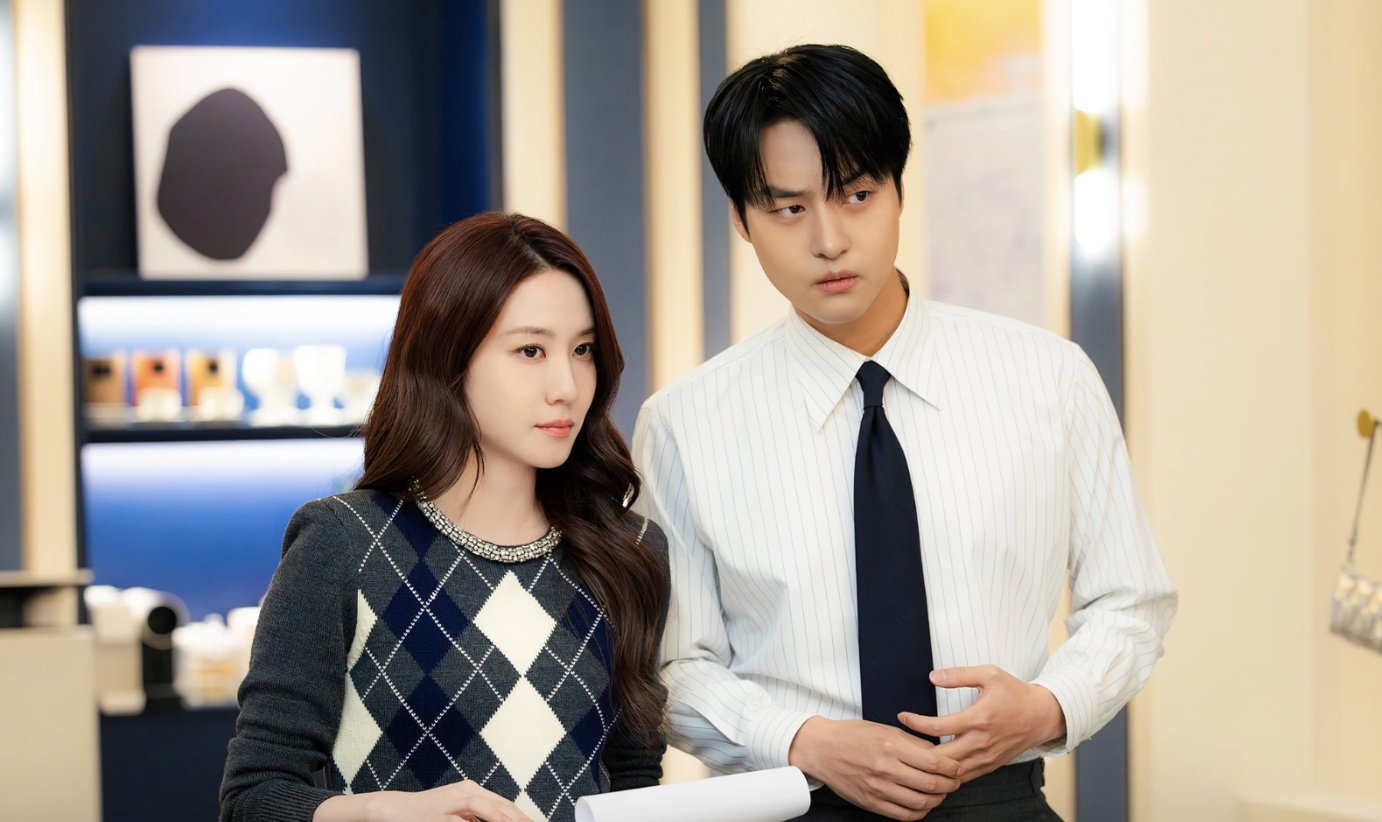
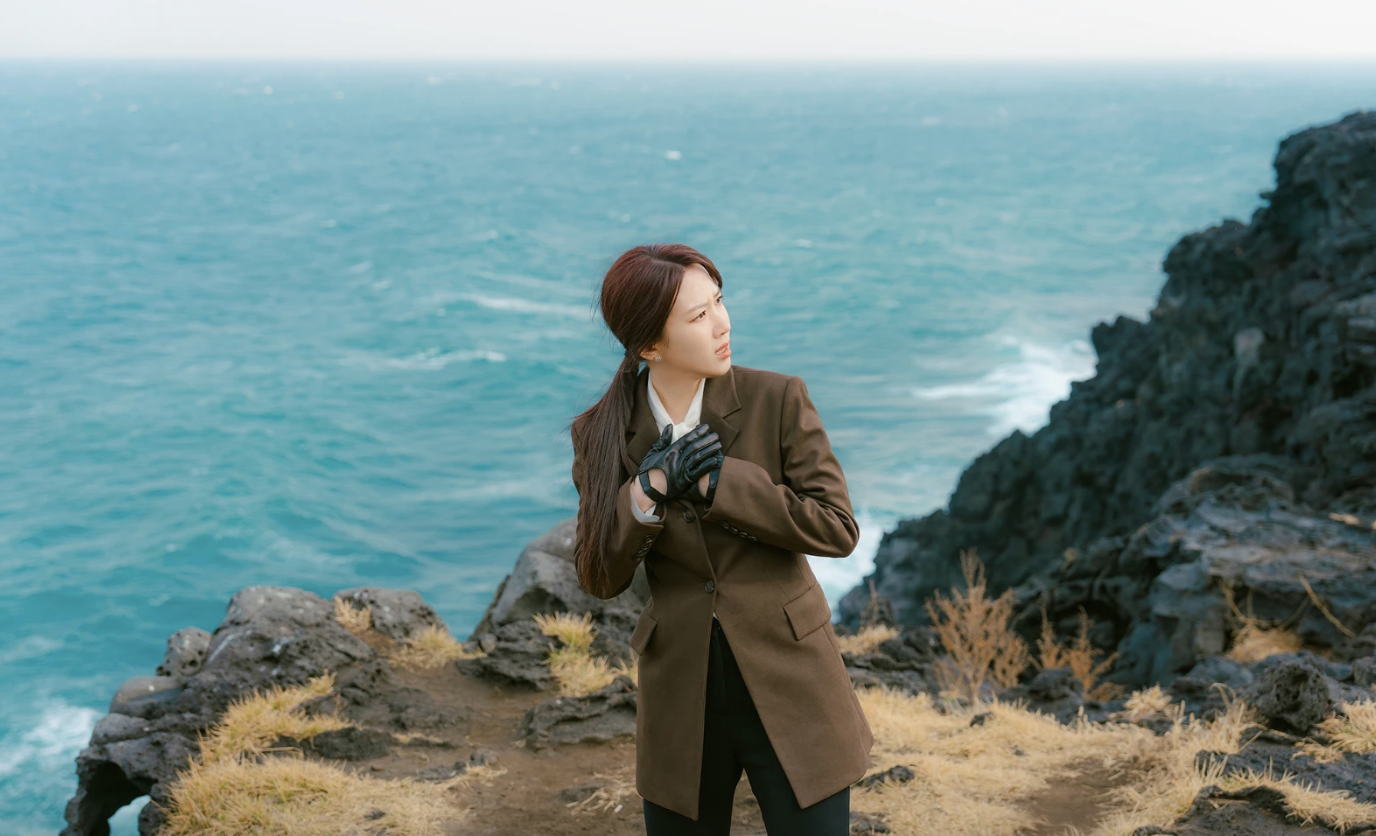
Extraordinary Attorney Woo’s Park Eun-bin and Doona!’s Yang Se-jong star as ghost-whispering hotel heiress Cheon Yeo-ri and ace prosecutor Ma Gang-uk, respectively, in the supernatural romance series Spooky in Love. In the Korean drama, which broadcast domestically on tvN and was distributed globally by Netflix, Yeo-ri and Gang-uk are initially brought together by their shared desire for justice. For Yeo-ri, this takes the form of helping the ghosts she alone can see. For Gang-uk, it means doing a good, by-the-book job as an investigator. But when Gang-uk learns Yeo-ri’s secret, the two grow closer.
While Spooky in Love starts out with a strong, ghost-of-the-week format, the second half of the drama leans more into corporate in-fighting and family drama as context for Yeo-ri and Gang-uk’s romance. When Chairwoman Baek insists that Yeo-ri get engaged in order to secure a more stable future for the hotel and resort company, Yeo-ri side-steps the advances of family friend and fellow chaebol Kang Min-hwan (Ong Seong-wu) to announce she is engaged to Gang-uk. What starts as a fake relationship to keep Yeo-ri’s grandmother off of her back soon develops into the real thing. But can Yeo-ri and Gang-uk’s love survive Min-hwan’s machinations to take control of both Yeo-ri and her company? Here’s everything that happens in the Spooky in Love finale.

Yeo-ri wasn’t born with the ability to see ghosts. She developed it 12 years prior to the start of the series, when she nearly died in the mysterious yacht accident that killed her boyfriend and Min-hwan’s little brother, Kang Ji-hwan (Kim Min-chul). The condition has ghosts constantly nagging Yeo-ri for help, and also keeps her isolated from the land of the living. If she touches hands with someone else, they will temporarily gain the ability to see ghosts for a month. As a result, she wears gloves constantly, and keeps a physical distance from her friends, family, and co-workers.
The stakes of Yeo-ri’s secret are intensified due to the power her family holds. Yeo-ri is the heir to the Reina Group, a corporate hotel chain that wields immense wealth. Yeo-ri’s grandmother, Baek Kyung-ja (Ye Soo-jung), plans to pass the baton to Yeo-ri—rather than step-daughter Ok Gye-hui (Baek Ji-won) or her adult children, Ha-ri (Cho Hye-joo) and Don-jun (Lee Dal). However, if Chairwoman Baek, or the larger public, finds out that Yeo-ri is haunted by ghosts, it could call her ability to run the family corporation into question.
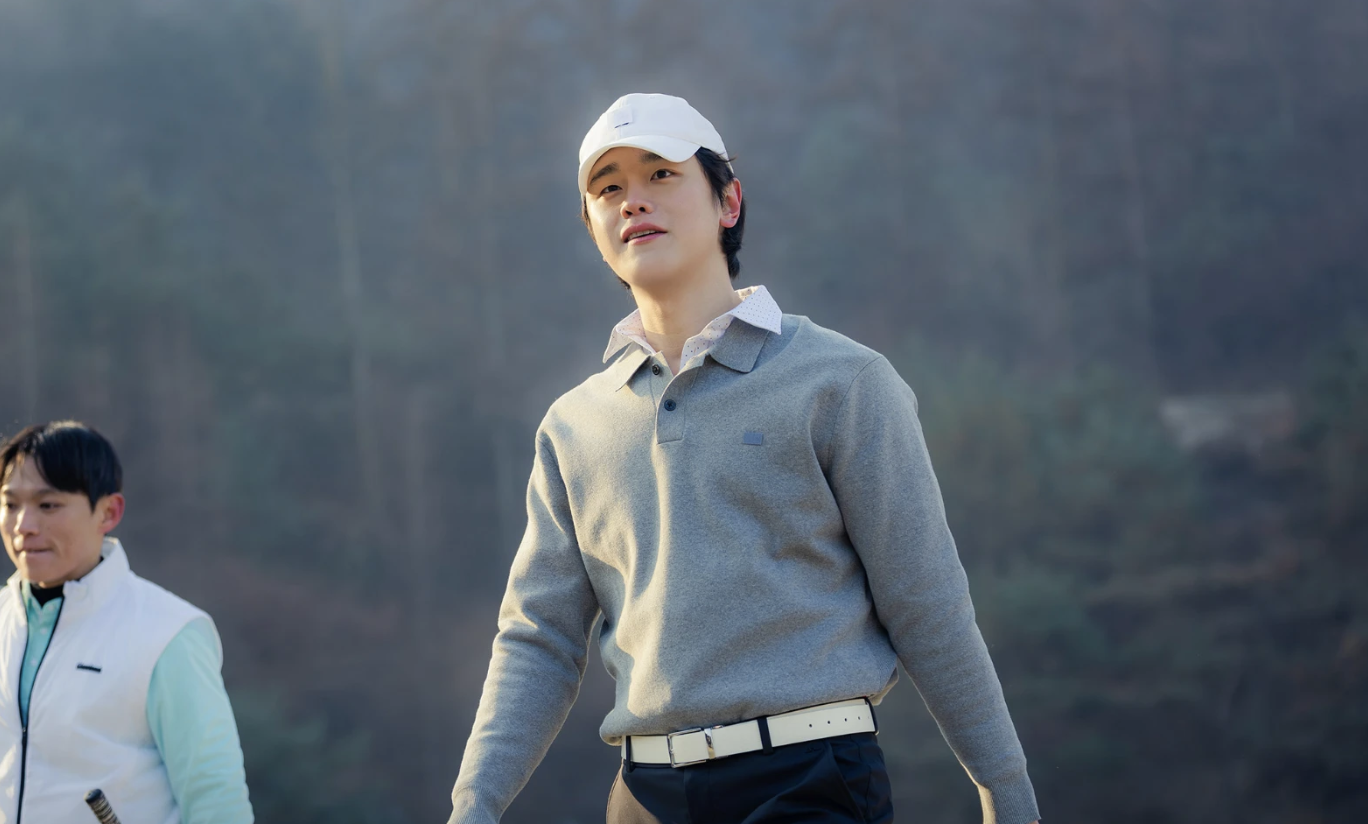
Still, Yeo-ri’s sense of justice runs deep. In Spooky in Love’s early episodes, Yeo-ri is visited by the ghost of Jang Eun-ju (Yoon Hye-rim), a young woman who was murdered by her boyfriend, Park Seung-jae (Kim Do-wan), after she becomes pregnant with their child. Seung-jae is well-connected. Not only is he a rich pro golfer, but his father is one of the leading contenders in the next presidential race. When he is initially tried for murder, with Gang-uk acting as prosecutor, he is acquitted due to his father’s immense influence. It is only when Gang-uk and Yeo-ri team up that they are able to gather more evidence, and definitively pin the murder on Seung-jae.
Yeo-ri grew up close to Kang Ji-hwan and Kang Min-hwan, brothers poised to inherit ownership of CL Raymond Group. Though both brothers had feelings for Yeo-ri, Ji-hwan was the first to ask her out. For Min-hwan, this intensified the jealousy he had long felt of his little brother. Jin-hwan, who looked up to his brother, didn’t realize that he was often treated better by some members of the family compared to Min-hwan, who was adopted. When Jin-hwan started dating Yeo-ri, it was the final straw for Min-hwan.
On the day of the accident, the brothers are out on a yacht with their friends, including Yeo-ri and fellow rich kid Park Seung-jae. We learn in the penultimate episode that when the yacht hit a rock and Jin-hwan was thrown over the side, Min-hwan had the chance to pull his brother back onboard, but let the pleading Jin-hwan fall into the water below instead. Jin-hwan dies, and Yeo-ri, who also went overboard in the accident, is rescued from the water. She is wearing a protective pendant gifted to Jin-hwan by his grandmother. He asked her to wear it while they were on the boat, joking that, if something should happen, she should live and he will die.
Later, Yeo-ri and Gang-uk seek out the shaman who made the pendant. The original maker is dead, but her daughter informs them that the power of the pendant changed Yeo-ri and Jin-hwan’s fates. That power, paired with Yeo-ri’s inability to let Jin-hwan move on in the immediate aftermath of the accident, led to Yeo-ri’s ability to see ghosts. The shaman tells Gang-uk and Yeo-ri that, in order for Yeo-ri to stop seeing ghosts, she owes the afterlife a life.
Gang-uk, who was raised by his grandmother, did not grow up in the same social circles as Yeo-ri, Min-hwan, and the other members of the chaebol class. However, he shares a unique connection to Jin-hwan. When Jin-hwan died, a sick Gang-uk was given Jin-hwan’s heart. The transplant allowed him to live on. Ever since, Jin-hwan and Min-hwan’s mother, Song Hee-won (Kim Seo-ra) has kept tabs on Gang-uk through his grandmother. Though she lost one of her sons, it makes her happy to see Gang-uk doing well.

This truth of Jin-hwan’s death is known only by Min-hwan for more than a decade. Yeo-ri doesn’t remember what happened during the accident and, even if she did, she didn’t witness what occurred between the brothers that day. However, when Seung-jae temporarily gets out of jail to attend his father’s funeral, he happens to stumble upon a camcorder memory card with footage of Min-hwan choosing not to save Jin-hwan. Seung-jae attempts to blackmail Min-hwan with the evidence. When the two meet up in an abandoned warehouse, Min-hwan kills him for it.
Gang-uk finds Min-hwan’s cufflink at the scene of the crime, but Min-hwan counters. He hires someone to hit Gang-uk with a truck. Yeo-ri pushes the man she loves out of the way at the last second, saving his life and putting her own in grave danger. She is hit by the truck, and ends up in a coma. As Yeo-ri’s life hangs in the balance, we see her traverse a beautiful kind of purgatory. The ghosts she has helped in the past 12 years, including Eun-ju, are waiting for her there. They lend her some of their warmth to keep her from crossing to the other side.
Still, Yeo-ri finally does make it to a Styx-like river, a boundary between the world of the living and the world of the dead. Before she can step onto the boat that would bring her across, the ghost of Jin-hwan appears to take her place. The two share a teary conversation in which they process Jin-hwan’s death. Yeo-ri apologizes for living instead of him, but Jin-hwan doesn’t see it that way. He says she still has so much to live for, and that the ghosts she has helped are rooting for her. When Yeo-ri wakes back up, she no longer has the power to see ghosts. Jin-hwan has crossed to the other side; the afterlife has been given the soul it was robbed of 12 years prior.
Unbeknownst to Min-hwan, Seung-jae has hidden the memory card in a hollow golf ball at the warehouse. When Yeo-ri and Gang-uk are investigating, they find the card and have the evidence to take Min-hwan down. In the most dramatic way possible, Yeo-ri reveals the evidence to Min-hwan’s mother and the other people gathered at Jin-hwan’s memorial service. More than losing his power or going to jail, Min-hwan seems most distraught at the idea of his mother discovering his betrayal. A year later, when she visits her remorseful son in jail, she tells him that after he has finished serving his time, she will be waiting for him. Min-hwan, who always thought his mother’s love for her biological son diminished her love for her adopted son, can perhaps finally see otherwise.
Spooky in Love has the happiest of endings. A year following the main events of the series finale, Yeo-ri is announced as the new chairwoman of Reina. Yeo-ri and Gang-uk are happily together. Gang-uk, who had been transferred out of Seoul after reporting internal corruption at the prosecutor’s office, has just received a promotion back in the capital city where Yeo-ri lives. The two visit Siena Hall, the Reina wedding property that symbolizes Yeo-ri’s late parents’ love for one another, and walk together, hand in hand.
When the two first started falling for one another, Yeo-ri had said that her greatest wish was to walk hand-in-hand with the person she liked. Then, she was too afraid to touch anyone, burdened by the certainty she would pass her curse onto them. Now, she does so, unafraid. The simple scene doesn’t just demonstrate the love between Yeo-ri and Gang-uk; it demonstrates the intimacy and warmth Yeo-ri is able to let into her life more broadly. She is no longer alone, and Gang-uk is only one part of that reality.
©