The International Congress of Mathematicians met in Philadelphia last month, its first U.S. meeting since 1986. Minutes after accepting the Fields Medal, mathematics’s highest honor, Jacob Tsimerman told reporters he was leaving academia to work on AI safety. “I think the world is changing,” he said, adding that he did not expect the mathematical career to survive in its present form.
Two months earlier, he had been one of nine mathematicians asked to review whether an AI model had truly refuted an 80-year-old central pillar of modern geometry, known as the Erdős unit distance conjecture. Tsimerman and his peers determined that it had, and their commentary alongside the 18-page proof helped translate the machine's argument into mathematics a human could understand.
The breakthrough, and subsequent report, reflected how the bottleneck that holds us back from forging new discoveries in mathematics, and, increasingly, in every other field, is changing. For most of history, the scarce resource was discovery. With AI, discovery is nonstop, and human confirmation is now what is scarce.
To be clear, we are AI optimists. We believe AI tools will complement human ingenuity and expand what we can know and build, but our infrastructure for vetting and certifying discoveries was built for human throughput, and that is now the binding constraint. That is what holds innovation back. The answer to this problem is formalization: translating AI’s outputs into precise forms whose correctness can be checked automatically. Building the infrastructure to make verification routine is now a national-scale engineering problem.
Machines are outrunning us in more than math. The same is happening to the code that runs hospitals, banks, and power grids. In April, for example, Anthropic disclosed that its Mythos model could find unknown vulnerabilities in major operating systems and browsers, and restricted access to fifty organizations racing to patch them. Soon after, Microsoft engineers found 90 critical flaws in a widely used product; and in June, Sen. Mark Warner told a Senate hearing, citing the NSA director, that the tool "broke into almost all of our classified systems, not in weeks but in hours."
All of this arrives in a world that already runs on code we assume is correct. In July 2024, a single faulty software update, not a cybersecurity attack, grounded flights and disrupted hospitals worldwide. Nowadays, developers can “vibe code,” or use generative AI to write code with natural language prompts. This lets teams build quickly, but at the same time can produce vast quantities of code nobody fully understands.
The same AI systems accelerating discovery can also solve the resulting information overload — if we pair their generative power with the rigor of mathematics.
For decades, researchers in defense, intelligence, academia, and industry have built an alternative to blind trust: formal methods, systems for proving that software mathematically will do exactly what it was designed to do. Like the way a software compiler translates a program into instructions a computer can execute, formal verification takes code, a specification of what it should do, and a proof connecting the two, and accepts the program only if every logical step checks out. This makes it possible to automatically validate AI output, and more broadly rigorize software and other security guarantees. And generative AI tools have made this sort of formalization broadly accessible in a way it never was before.
Once proof checking is cheap, the next bottleneck becomes writing the right specification. Deciding precisely what a system should do and capturing the world around it remains a matter of human judgment. A flawless proof of the wrong specification is still an answer to the wrong question. Formal verification cannot stop phishing, prevent every failure in a complex human system, or certify an AI model's overall safety—but it can eliminate whole classes of errors in critical software. For systems where failure can mean harm to millions, this should be a crucial step in the adoption of AI-generated code.
The Leiden Declaration, endorsed in June by the International Mathematical Union, warns that AI threatens the verifiability of proof. We would put it the other way around: mathematics offers the infrastructure to make generative AI more trustworthy. For this reason, the United States should treat that mathematical rigor as a national mission. We need public infrastructure for verified software: open libraries of verified components and specifications, standards and benchmarks, better tools for checking updates, and training programs that connect mathematics, computer science, engineering, and national security—coordinated across agencies rather than confined to one program. And because formal methods rest on deep mathematical foundations, this requires sustained investment in mathematics research and education, not only in the applications built on top.
Companies operating critical infrastructure should not rely solely on reactive patching and bug bounties where failure could hurt the public. Instead, they should aim to build in auditing and formal guarantees from the start. The goal is not to formally verify every line of every program, but to identify the logic of critical systems, specify what that logic must and must not do, and achieve mathematical assurance in that logic.
Mathematics has weathered crises of trust before. Geometry, infinity, logic, and the nature of proof each threw the field into foundational doubt, and each time the response was more precise languages, stricter standards, and better verification. That rigor is what made mathematics scalable, and software now needs the same transformation. As AI writes more of the code the world runs on, blind trust is no longer good enough. The question is whether the United States will lead the shift to mathematical trust, or wait for the failures that force it.
Harry and Meghan, the Duke and Duchess of Sussex, are expected to move back to the United Kingdom later this year, after six years of living in the U.S. during a period of estrangement from the rest of the Royal family.
The couple are set to move with their children, Prince Archie, 7, and Princess Lilibet, 5, to a non-royal residence that is said to be outside of London, with both children enrolled to start at a British school in September. The news was first reported by the Daily Telegraph on Wednesday, with multiple outlets since reporting similar details.
The move follows years of Prince Harry arguing that the security arrangements provided for his family in the U.K. were insufficient. In May 2025, Prince Harry lost an appeal after the British government downgraded his security arrangements following his decision, along with Meghan, to step back from Royal duties in 2020.
Asked on Thursday about the move and if the British government would pay for the family’s security, Prime Minister Andy Burnham said the issue was “a private matter” and that he “wishes them well in the move that they are making.”
King Charles III was reportedly informed of the couple’s move on Sunday, and in line with their wishes, the Duke and Duchess will not return to their duties previously held as members of the Royal family.
The Duke and Duchess of Sussex last visited the U.K. in July and were hosted by Charles and Queen Camilla at their private residence, Highgrove House, in Gloucestershire, west England.
Prince Harry also spent time attending events across the country linked to the Invictus Games, a sporting event established by the Duke involving injured or sick international servicemen and women.
Neither the Royal family nor Harry and Meghan have responded publicly to the reports. When asked about the speculation during a roundtable event in Washington on Wednesday, Harry said he had “nothing to say,” per the Associated Press.
TIME has reached out to Buckingham Palace, as well as representatives of the Duke and Duchess for comment.
Harry and Meghan’s break from the Royal family
Harry and Meghan initially lived and worked in the U.K. following their wedding in May 2018. But amid intense media scrutiny and other issues, they soon expressed desires to pull back from public-facing Royal duties.
In October 2019, the couple said they would be taking “family time” away from their duties towards the end of the year, CNN reported.
Then in January 2020, the Duke and Duchess announced their decision “to step back as ‘senior’ members of the Royal Family and work to become financially independent.” The couple said they would split time between the U.K. and North America, to “enable us to raise our son with an appreciation for the royal tradition into which he was born, while also providing our family with the space to focus on the next chapter.”
The late Queen Elizabeth II issued a statement in support of the decision after “constructive discussions” with the family, and following a 12-month review, Buckingham Palace confirmed in February 2021 that Harry and Meghan would not be returning as working members of the Royal family.
“While all are saddened by their decision, The Duke and Duchess remain much loved members of the family,” a statement read.
The next month, Harry and Meghan sat down with Oprah Winfrey for a now-infamous interview during which they detailed their decisions to move away from the Royal family and the apparatus around it, which Meghan referred to as “The Firm”.
In the interview, Harry said the decision to withdraw from public duties and move to California was both due to the amount of tabloid press scrutiny and harassment, as well as a lack of support from “The Firm.”
Tabloid headlines focused on Meghan have included descriptions of the Duchess as “gangster royalty” and coming from a “crime-ridden neighborhood.”
In 2023,Harry published his memoir, Spare, outlining details of Royal life. In his book, the Duke revealed how he learned of his grandmother’s death, Queen Elizabeth II, via the BBC, and how his father, Charles, did not hug him following the death of his mother, Princess Diana, in 1997.
While in the U.S., the couple have launched a number of business ventures, including several with Netflix. In December 2022, the couple released a six-episode docuseries on Netflix detailing more details about the early days of their relationship, as well as discussions around racism and stereotypes experienced by the Duchess since the start of their relationship.
Harry’s battle with the British press
Speaking in 2021 the Duke also detailed his relationship with the British media which has been dominated in recent years by a number of legal battles. Most recently Harry lost a lawsuit against Associated Newspapers Ltd., the publisher of The Daily Mail, with a judge ruling a lack of proof for privacy invasion claims against the paper.
Before the legal defeat, expected to be the Duke’s last challenge against tabloids, the publisher of the Sun newspaper was forced in January 2025 to pay Prince Harry “substantial damages after using “unlawful techniques” to acquire information on his private life.
The Duke also won 15 claims in December 2023, accusing Mirror Group Newspapers of unlawfully gathering information for stories published about him through phone hacking and other methods.
Meghan’s struggles
During the March 2021 interview, the Duchess also opened up about her suicidal thoughts while pregnant with their first child, Archie, in 2019.
“I just didn’t want to be alive anymore,” she said. “And that was a very clear and real and frightening constant thought.” Meghan added that when she approached Royal staff about seeking outside support, her request was refused.
The Duchess also relayed conversations between Harry and family members, during which they raised concerns with the Duke about how dark Archie’s skin might be.
Harry said such conversations took place at the start of his relationship with Meghan. “There were some real obvious signs before we even got married that this was going to be really hard,” he said.
In 2016, when the couple began dating, a statement from Harry’s communications secretary denounced the wave of racist and sexist comments targeting Meghan, as well as the tone of some of the media coverage about her.“Some of this has been very public—the smear on the front page of a national newspaper; the racial undertones of comment pieces; and the outright sexism and racism of social media trolls and web article comment,” the statement from the Duke’s communications secretary read.
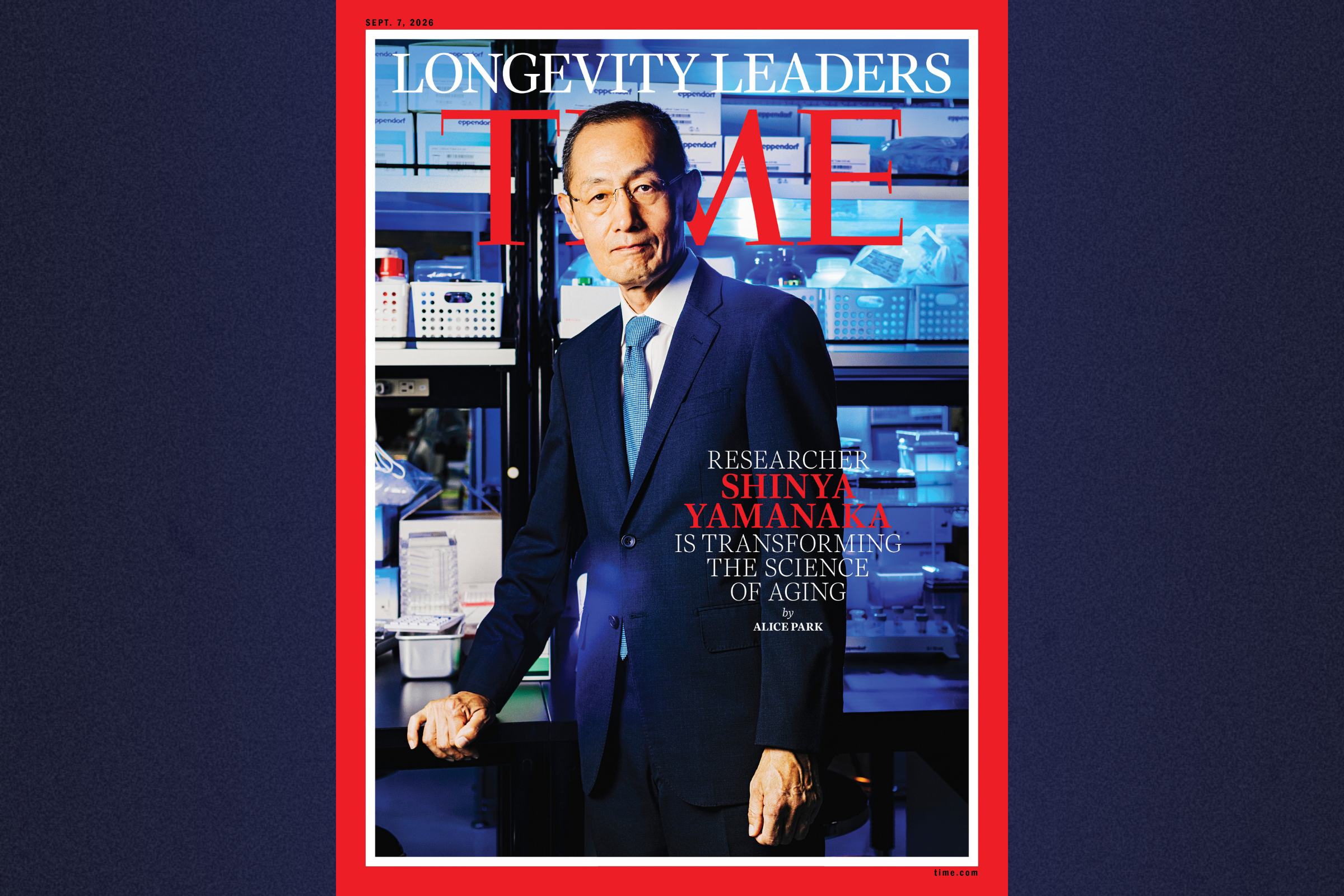
Shinya Yamanaka goes for a run almost every morning. So do a lot of people—but the habit carries extra weight when done by a Nobel-winning scientist whose discovery forms the foundation for one of the most exciting areas of longevity research today: reprogramming human cells to make them act younger. When someone like that makes a daily habit of anything, you take notice.
Yamanaka had just come back from a run in late July, during one of Kyoto's worst heatwaves, when he sat down with senior health correspondent Alice Park to talk about his career and the influence he’s had on the rapidly expanding longevity field 20 years after his landmark discovery. He is one of TIME’s 2026 Longevity Leaders highlighted in this week’s issue: 12 trailblazers marking the way to a longer, healthier life.
We set out to find some of the most innovative leaders who are starting to show concrete results in helping us to live longer, better. A few pioneering scientists—like Harvard geneticist David Sinclair and Altos Labs’ Juan Carlos Izpisua Belmonte—have put their own spin on Yamanaka’s discovery. They’re on a mission to reverse cellular aging in different parts of the human body. Others have stepped up to separate snake oil from legitimate science. Jamie Justice, for instance, runs XPrize Healthspan, a $101 million longevity science fair that is funding the most promising research around the world. And some are addressing the equally important question of how our society should change to accommodate an older population. AARP CEO Myechia Minter-Jordan, for example, is leading the group into a new era of aging advocacy.
We are squarely in a longevity boom, and the field is now well established as serious science. But we are still near the beginning. Right now, there is no proven longevity drug you can take to make yourself live longer. (That we know of: Nir Barzilai, who thinks some existing drugs could be repurposed as longevity-boosting treatments, is eager to change that.) Some things are within your control, however. You can exercise, like Yamanaka; build muscle, which Dr. Gabrielle Lyon calls the “organ of longevity”; and strengthen your social ties, which Dr. Robert Waldinger has learned are crucial from directing the world’s longest study of human happiness. TIME’s 12 Longevity Leaders know that all of these approaches—medical, physical, social—are key in the quest to live as well as possible for as long as possible.
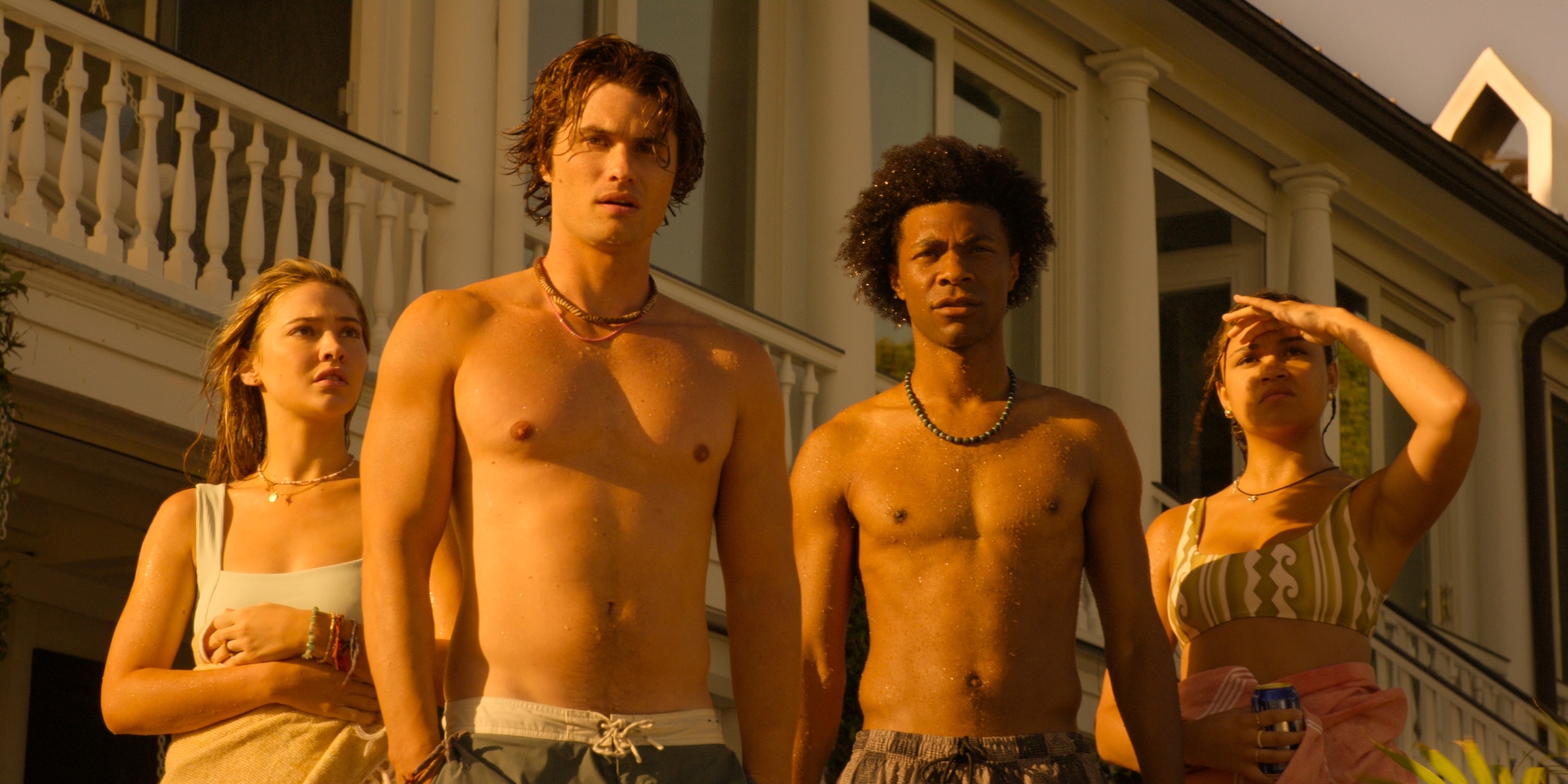
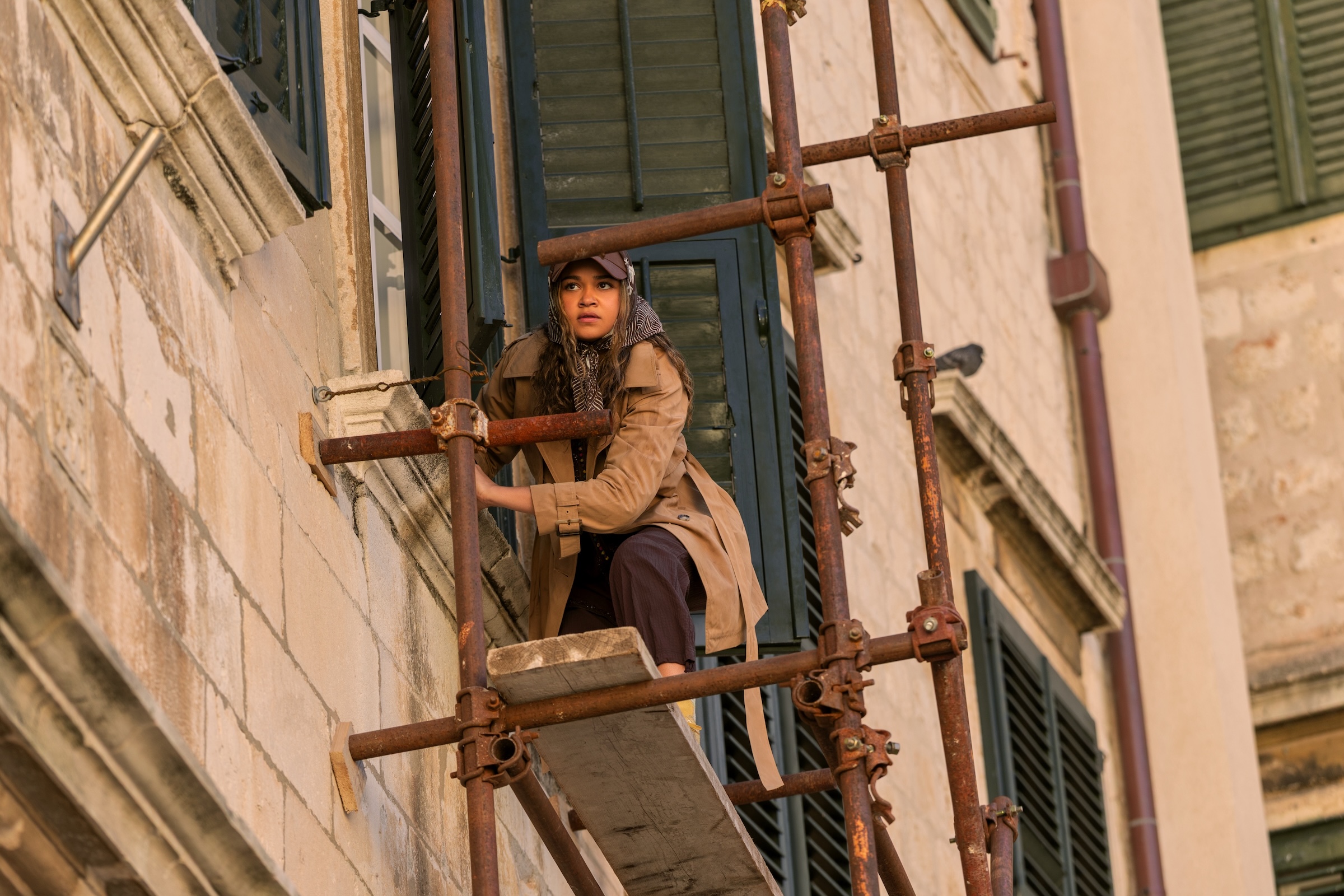
Madelyn Cline as Sarah Cameron, Chase Stokes as John B, Jonathan Daviss as Pope, Madison Bailey as Kiara in Outer Banks —Courtesy of Netflix
Warning: This post contains spoilers for Outer Banks Season 5.
After years of treasure hunts, betrayals, shipwrecks, family feuds and increasingly improbable escapes, the Pogues finally make it home. The fifth and final season of Netflix’s Outer Banks sends John B (Chase Stokes), Sarah (Madelyn Cline), Kiara (Madison Bailey), Pope (Jonathan Daviss), Cleo (Carlacia Grant), and Rafe (Drew Starkey) through one last race for treasure—this time involving the Royal Merchant gold, the Blue Crown, a deadly hurricane, and the ghosts of everything they have lost along the way.
The finale takes the Pogues far beyond the Outer Banks before bringing them back. First, they learn that the arms dealer Anton Finch is planning to use the Blue Crown during a meteor shower. The group travels to Azerbaijan to stop him, while Cleo is arrested as they are leaving for the private plane. She tries to board as the plane is taking off, but a police officer shoots at the plane's stairs, causing her to fall. Pope is already in Azerbaijan with the others when he discovers that Cleo has been deported to Nassau, Bahamas.
Kiara eventually gets the Blue Crown from Finch and takes it to the lake during the meteor shower, hoping it can bring JJ (Rudy Pankow) back. The crown doesn't resurrect him, but it gives Kiara a powerful final connection to her memories of JJ and everything they shared. Finch later takes the crown back, meaning the Pogues return to the Outer Banks without it. They arrive just hours before Hurricane Cassandra hits.
Meanwhile, back in Kildare, Rose has the Royal Merchant gold after stealing it from the Pogues. Chandler Groff (J. Anthony Crane) attacks and tries to kill Rose, but Wheezie shoots him in the arm and saves her stepmother. Groff escapes in Rose's car with the gold. During the hurricane, Kiara finds him aboard the stolen boat and confronts him about killing JJ. Their fight ends with Groff going overboard and presumed dead, while Kiara discovers that the boat is sinking.
Trying to keep the boat afloat, Kiara begins throwing heavy cargo into the ocean. Among the crates is the Royal Merchant gold Groff stole from Rose. She reluctantly pushes the gold overboard and soon falls into the water herself, but the Pogues find and rescue her.
The gold, however, isn't lost for good. After the hurricane passes, Pope calculates where the treasure should have drifted by triangulating the fort, the lighthouse and the location where they rescued Kiara, while accounting for the currents and wind. John B dives into the ocean and discovers the gold beneath the debris and sand. The Pogues are able to recover part of it in the moment and retrieve the rest over the following days.
With the Royal Merchant fortune finally in their hands, the Pogues use the money to rebuild Kildare, buy back properties and restore their homes. They help create the community they always wanted, where Kooks and Pogues can live together.
So, where does everyone end up as the Outer Banks adventure finally comes to a close? Here's what happens to the Pogues, their families and the people who shaped their story.
Chase Stokes as John B and Madelyn Cline as Sarah —Jackson Lee Davis—Netflix
John B and Sarah Cameron
After everything John B has been through, the finale gives him the future he has been fighting for: a family and a home. He and Sarah welcome their first child, a son named JJ in honor of their late best friend.
One year later, John B and Sarah get married in a ceremony surrounded by their friends and family. Their son is also part of the celebration, with Kiara carrying him into the ceremony before Sarah walks down the aisle with Pope.
John B and Sarah begin their married life raising their son in the community they helped rebuild. In the final moments, John B rings the bell near their home and calls for JJ.
“I think he's traveled the world searching for happiness and peace, and his identity has been around this treasure that is significant to him and his father, and it's this weird relationship to it,” Stokes says. “You can travel the world, you can see beautiful places and meet incredible people, but home is always going to be home.”
Meanwhile, Sarah finally gets the freedom and stability she has spent years searching for. After breaking away from the unstable[?] world she grew up in, she builds a family of her own with John B and their son.
With Kildare rebuilt and the Pogues no longer living from one treasure hunt to the next, Sarah can settle into a life she chose for herself. Her journey from the daughter of a powerful Kook family to a member of the Pogues ultimately brings her to the family and sense of belonging she had been looking for all along.
“And I think a very, very full heart,” Cline says. “She finally got out of the bubble wrap, and that's what she always wanted. She made her dreams come true, and I hope she feels that.”
Madison Bailey as Kiara —Jackson Lee Davis—Netflix
Kiara Carrera
Kiara’s final chapter is defined by what comes after JJ’s death. The Blue Crown gives her an unexpected sense of closure, allowing her to revisit the memories she shared with him rather than simply focusing on what she lost.
Back in Kildare, Kiara confronts Groff and eventually turns her attention toward the future. She buys back the Maybank property with her share of the fortune and begins rebuilding it, while also pursuing her passion for marine life as an intern with North Carolina Marine Fisheries.
“I feel at peace with where she ends up,” Bailey says. “It’s a sweet ending for her, and I hope the fans love it too.”
Carlacia Grant as Cleo and Jonathan Daviss as Pope —Jackson Lee Davis—Netflix
Pope Heyward and Cleo Anderson
After being arrested while trying to board the plane with the Pogues, Cleo is deported to Nassau, Bahamas and separated from Pope. But their story doesn’t end there. Pope eventually makes his way to Nassau and proposes to Cleo. She accepts and once the Pogues recover their fortune, Pope and his family are able to help Cleo resolve her immigration situation so they can live in Kildare together.
Cleo settles into a life with Pope and becomes part of the community the Pogues helped rebuild.
“It’s just a full 360 of how we met her,” Grant says. “We met her sort of on her own, or with a group of robbers, and now we see her in family, in a relationship, really blossoming into a young woman—still badass, but showing other sides of herself.”
Back home, Pope helps his father rebuild Heyward’s Seafood and uses his share of the fortune to buy a house for himself and Cleo. He also repairs his relationship with his father, bringing his personal and family lives into a more stable place.
“I think he's proud of his growth as a person, and he's proud of his relationship with the people he loves,” Daviss says. “His relationship with Cleo, his relationship with the Pogues, his family, him mending that relationship with his father, his own relationship with himself, growing up from a kid to being grown and being more confident.”
Rafe Cameron and Sofia
Rafe leaves Kildare with Sofia after helping her escape from jail during the evacuation. Sofia was arrested after helping Rafe evade the police, following the discovery of new evidence linking him to the murder of Sheriff Peterkin. Rafe believes the authorities will come down hard on Sofia if he doesn't turn himself in, so he cuts the power to the station, frees her from her cell, and flees with her.
They are later confronted by Sheriff Shoupe, who reminds Rafe that he killed Peterkin, one of Shoupe’s friends. Rafe admits that he was responsible for her death, saying he never wanted it to happen. He tells Shoupe that he plans to disappear after the hurricane and asks him not to come looking for him.
Rafe and Sofia eventually take shelter from the storm before the Pogues help them leave Kildare by boat. Pope gives them enough fuel to reach New Bern, from where they plan to make their way to South America. Before leaving, Rafe says goodbye to the Pogues, thanking Sarah and telling John B that he is happy for him.
“I think Rafe in the end feels finally important, wanted and loved,” Starkey says. “There’s a lot of things that he’s leaving behind. It kind of feels like he’s leaving behind the worst parts of himself, and I think he needs to leave that location in order to do so. It’s a bit of a rebirth for him at the end.”
Drew Starkey as Rafe —Jackson Lee Davis—Netflix
Rose and Wheezie Cameron
Rose and Wheezie evacuate Kildare along with the other residents as Hurricane Cassandra approaches, leaving the island behind as the storm tears through the community. With the Cameron family’s old life permanently changed, the two eventually return to Kildare as the island begins to recover.
Rose and Wheezie are among the guests at Sarah and John B’s wedding, marking their continued place in Sarah’s life and in the community the Pogues helped rebuild.
Dale Zeasy and Sheriff Shoupe
Dale’s plans to reshape Kildare fall apart after an insurance investigation discovers that his financing was illegitimate. He had been trying to acquire land to build apartments and pressured Pope’s father to sell his property, threatening to use a video of Pope and the Pogues trespassing on private property against him.
After Hurricane Cassandra damages the island, the Pogues use their fortune to buy back the properties and rebuild Kildare on their own terms, leaving Dale without the foothold he had been trying to establish. In the final moments, Shoupe arrests Dale, bringing his attempt to take over the island to an end.
A year later, Shoupe is among the guests at Sarah and John B’s wedding, showing how his relationship with the Pogues has also evolved over the years.
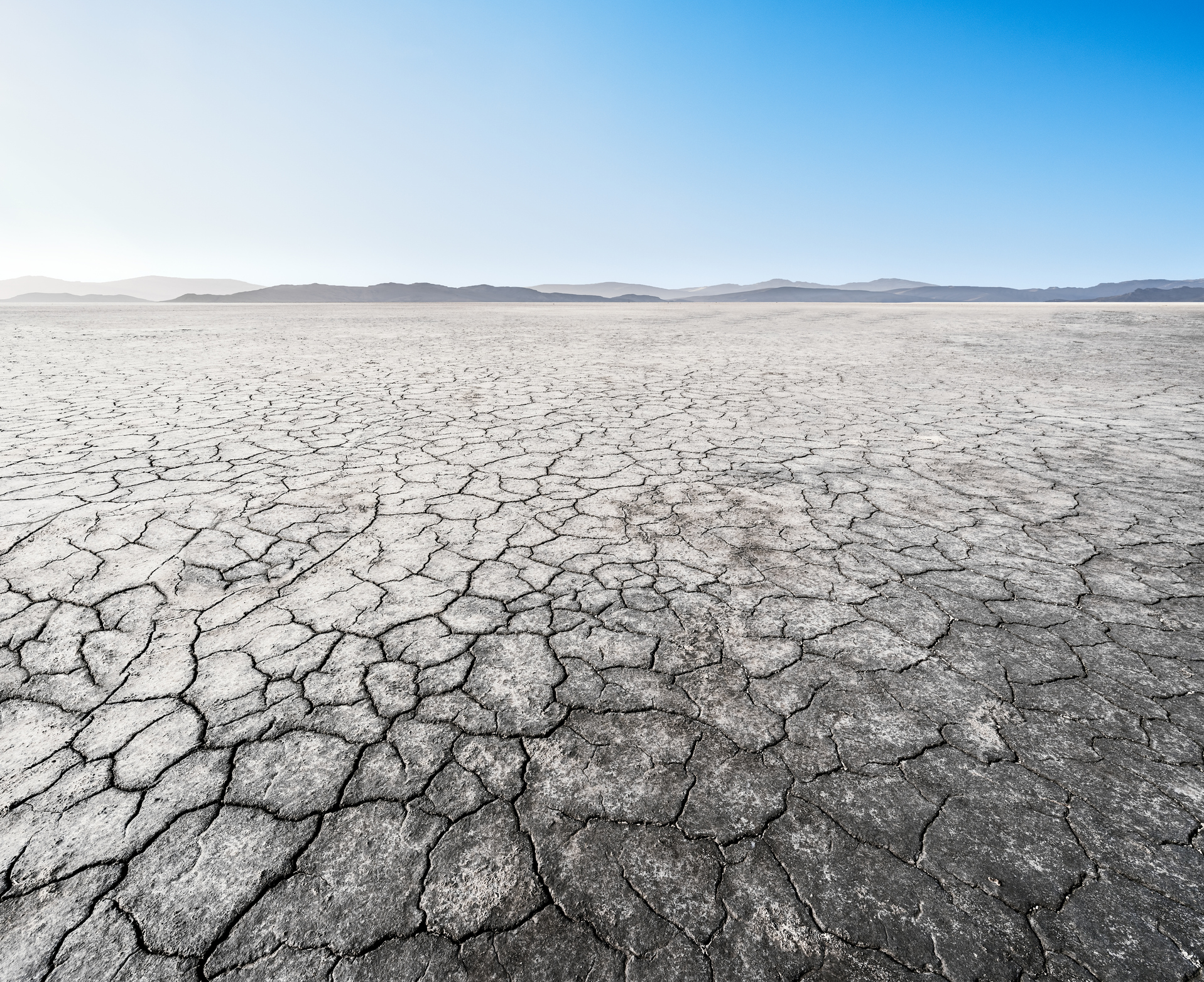
This year, governments and businesses across Europe,North America and parts of Africa, Asia, Latin America, and the Caribbean have been contending with the impacts of severe drought and wildfires. Every year, drought-induced losses alone cost the global economy an estimated $307 billion. Yet one of the assets that could make economies more resilient remains dangerously underfunded: healthy land.
This week, leaders gathering in Ulaanbaatar, Mongolia for COP17 of the UN Convention to Combat Desertification (UNCCD) will have an opportunity to change that. What happens on Mongolia’s vast rangelands—and in degraded landscapes around the world—matters far beyond the environment. It is increasingly central to food and water security, supply chains and economic stability. In other words, the soil beneath our feet is essential to protecting livelihoods and economies from growing shocks.
The economic opportunity is significant. The UNCCD estimates that financing land conservation and restoration could generate up to $1.8 trillion annually, driven by strengthened agricultural and supply chain resilience, new revenue opportunities, and mitigated physical risks like drought-related losses. It could also generate employment for an additional 65 million people by 2030, resulting in a net gain of 37 million jobs. Business investment is already responding to this opportunity: the COP Action Agenda on Regenerative Landscapes reported more than a fourfold increase in business investment between 2023 and 2025. But fragmented and misaligned policies continue to hold investment back.
The COVID pandemic exposed how vulnerable global supply chains can be. Recent wildfires and droughts have exposed another weakness: the deteriorating natural systems on which those supply chains depend. Healthy land is not simply an environmental asset. It is economic infrastructure.
For farmers already contending with increased costs of necessities like seeds and fertilizer, land degradation, and increasingly severe drought add another layer of risk. For businesses, these physical risks directly affect the availability, cost, and quality of natural resources on which they depend within and beyond their value chains. And for governments, the consequences arrive as costly crises to manage. The imperative is clear: we need to invest in restoring land and supporting the people who manage it, before the economic and social costs of inaction become even greater.
The UNCCD estimates the combined cost of land degradation, drought, and desertification to the global economy at $878 billion annually. Governments routinely spend billions responding to and rebuilding after floods, wildfires, droughts, and other disasters—with US Government spending on wildfire suppression only set to grow—yet they invest only a fraction in preventing the degradation that makes economies and communities more vulnerable to these shocks. From an economic perspective, this is a poor allocation of capital.
When we think about economic infrastructure, ports and power grids loom large. However, what stewards of the land—including farmers, herders, and pastoralists—have understood for generations is that healthy land is infrastructure too. It underpins livelihoods, food production, water security, the production of raw materials, and, by extension, the economy.
In fact, roughly $44 trillion of global GDP, around half of global output, is moderately to highly dependent on natural capital, including healthy land. Restoring degraded land should therefore be viewed as an investment in economic resilience. An added benefit is that responsible management and restoration of degraded agricultural land can help reduce emissions, including agricultural methane through improved livestock health and feed quality.
By 2050, three in four people worldwide are projected to be affected by drought, with significant knock-on effects for businesses and supply chains through disrupted production, higher input costs, and increased commodity-price volatility. For developing countries, the challenge is particularly acute. The countries most exposed to drought and land degradation are often those with less financial capacity to invest in resilience. A drought that reduces agricultural output can quickly become a wider economic shock by raising food-import bills, reducing rural incomes, and increasing pressure on public budgets and foreign-exchange reserves.
This is the context in which COP17 opens in Ulaanbaatar, and rangelands are top of the agenda. They make up more than half of the earth’s land surface, and 70% of host country Mongolia’s territory. They provide 16% of global food supply, 70% of livestock feed, and support the livelihoods of up to 500 million pastoralists—land stewards who sustain the adaptive knowledge and land management practices on which food systems depend.
Rangelands are part of a much bigger economic story. Land restoration is a long-term investment, and many of its benefits are public goods that cannot easily be captured as private returns. In developing countries, high borrowing costs and constrained public finances make even economically attractive projects difficult to fund. Public and concessional finance therefore has a critical role to play in reducing risk and crowding in private capital where commercial opportunities exist.
A global consultation led by the WBCSD and mandated by the UNCCD Secretariat has called for governments to create a coherent and stable policy environment, develop a long-term investment vision, and strengthen trusted accountability frameworks. These would give businesses greater confidence to invest in shared socioeconomic objectives.
There are already mechanisms through which this can happen. In 2024, COP16 in Riyadh launched the Riyadh Action Agenda (RAA), bringing public, business, and community actors together around land and drought resilience. Together, it has mobilized more than $2.9 billion for land conservation, restoration, drought and water resilience. For 2026 to 2030, participating initiatives have set mobilization goals of more than $130 billion.
The next step is to make this investment progress more coordinated and measurable. At COP17, the RAA will launch the Land & Soil Breakthroughs: time-bound, measurable milestones designed to aggregate non-state actor commitments, reduce overlap, and make collective progress visible and investable. The RAA will also launch a Community Platform to visualise progress towards conserving and restoring 1.5 billion hectares of degraded land by 2030.
The investment return could be significant. Globally, every $1 invested in landscape restoration can create between $7 and $30 in economic benefits for local people.
For too long, healthy land has been treated as an environmental concern rather than the economic asset it is. At a time when governments are under pressure to strengthen economic resilience while managing constrained public finances, and businesses are facing increasing climate shocks, these are the investments we need.
COP17 is an opportunity to change the narrative on land. The question is no longer whether we can afford to invest in its restoration, but whether we can afford not to.
 Login
Login




.jpg?branch=production)